
Introduction: Step Into the World of Science with the Right Tools
With innovations transforming scientific processes, laboratories in 2025 are more advanced than ever. This blog breaks down Top 25 Essential Laboratory Equipment, answers common questions, and offers actionable insights to help you choose the right equipment—whether you’re a scientist, a student, or an investor in the industry.
Dive into the Core of Laboratory Excellence
1. Beakers and Flasks: The Classics That Still Matter
Beakers (in various volumes) and Erlenmeyer flasks are foundational to any lab. They’re used to mix, heat, and pour chemicals. Their affordability and versatility make them irreplaceable.
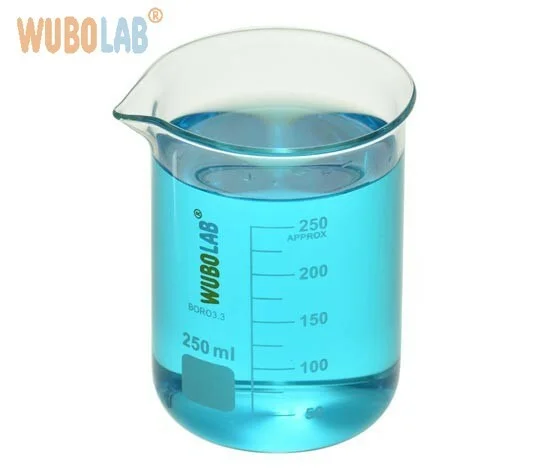
FAQ: Are glass or plastic beakers better?
Answer: Glass offers high heat resistance, while plastic is safer for handling acids or when portability is key.
2. Microscopes: Seeing the Unseen
Modern compound and digital microscopes offer unparalleled precision. Over 78% of labs use high-resolution imaging to observe microorganisms, cell structures, or materials at micro-scale.
3. Pipettes and Micropipettes: Accuracy at Its Best
Used for transferring small amounts of liquid, micropipettes are essential for biological and chemical labs. Automated pipettes increase reproducibility and reduce human error by over 30%.
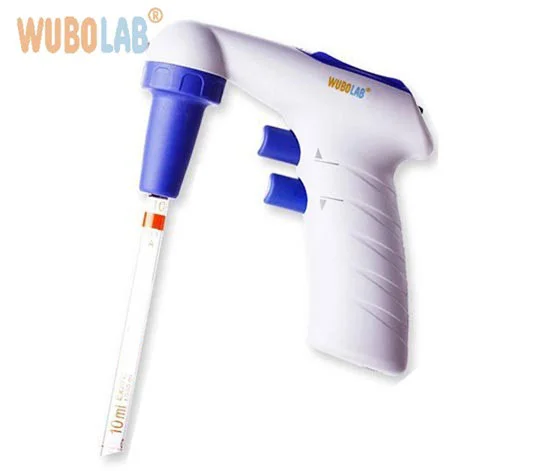
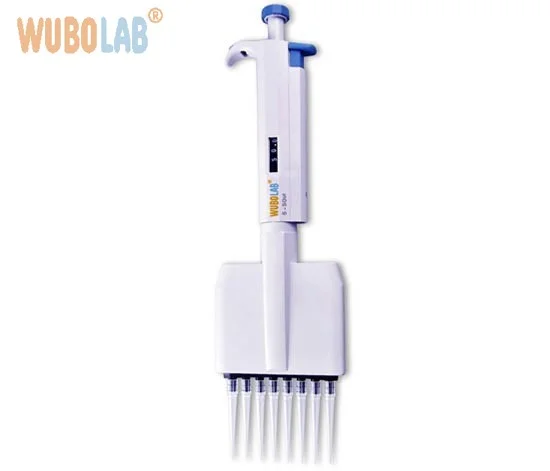
4. Centrifuges: Spinning Toward Purity
Whether it’s separating blood components or DNA samples, centrifuges (micro, ultracentrifuges) are vital in biochemical analysis.
FAQ: How do I choose the right centrifuge?
Answer: Consider sample volume, speed (RPM), and temperature control.

5. Bunsen Burners and Hot Plates: Heating with Control
Bunsen burners remain key in teaching labs, while digital hot plates with magnetic stirrers are taking over research labs for precise temperature control.
6. Spectrophotometers: Measuring Light and Concentration
Crucial in pharmaceutical and clinical labs, spectrophotometers help quantify substances using light absorption. They contribute to faster diagnostics and are now used in 95% of life sciences labs.
7. pH Meters and Conductivity Meters
To ensure substance integrity, pH meters and conductivity meters are used in chemical, agricultural, and environmental labs.
Tip: Calibrate regularly for accuracy—uncalibrated pH meters cause 15% of measurement errors in chemical labs.
8. Fume Hoods and Biosafety Cabinets: Protect What Matters
Ventilated hoods are essential for working with volatile chemicals, protecting users from inhalation hazards. Class II biosafety cabinets are a must for handling pathogens.
9. Balances and Scales: Precision Weighing Tools
Analytical balances measure with up to 0.0001g accuracy—perfect for pharmaceutical and chemical labs. Precision = Reliable Data.

10. Autoclaves: Sterilization that Saves Lives
Used in microbiology, an autoclave sterilizes instruments using steam under high pressure. It reduces contamination risk by up to 99.99%.
11. Incubators: Creating Controlled Environments
Used to grow microbial cultures, incubators maintain optimal temperature and humidity. CO₂ incubators are essential in cell culture labs.
12. Water Baths: Gentle Heating Without Flames
Ideal for heating flammable chemicals or sensitive biological samples. Circulating water baths provide even heat distribution.
13. Refrigerators and Freezers
Biomedical fridges preserve specimens, reagents, and sensitive chemicals—some even come with digital monitoring for remote alerts.
14. Glassware Brushes and Racks
Maintenance tools that ensure cleanliness and organization. Contamination due to dirty equipment causes 1 in 5 lab errors.
15. Lab Coats, Gloves, and Safety Goggles
PPE (personal protective equipment) is as crucial as the instruments themselves. Compliance with safety gear reduces injury risk by 60%.
Bonus: 10 Advanced Instruments in Modern Labs
- Gas Chromatograph
- Mass Spectrometer
- PCR Machine
- Flow Cytometer
- ELISA Reader
- NMR Spectrometer
- Liquid Chromatography System
- Atomic Absorption Spectrometer
- X-Ray Diffractometer
- Ultrasonic Cleaner
These are staples in molecular biology, forensic science, pharmaceutical R&D, and advanced diagnostics.
Conclusion: Invest Wisely, Work Safely, Innovate Continuously
Laboratory equipment is more than just tools—it’s the foundation of innovation, discovery, and safety. From basic beakers to high-end analytical machines, every piece of lab equipment plays a role in ensuring reliable, repeatable, and groundbreaking results.